Summer can be a wonderful time for dogs. Longer days, holidays, slower mornings and more time spent together can mean that your dog’s usual routine has changed quite a bit.
But as September approaches, many North London families are getting ready to return to work, school and their normal weekday schedules. For dogs, that can mean suddenly going from having people around all day to spending several hours alone.
The good news is that you don’t have to wait until September to make the transition. A few small changes now can help your dog settle back into their usual routine without unnecessary stress.
Why routine matters for dogs
Dogs tend to thrive on consistency. Regular mealtimes, walks, rest and interaction can help them know what to expect throughout the day.
During summer, however, routines often become more relaxed. You might sleep later, go for walks at different times, spend more time at home or take your dog with you on days out.
There’s nothing wrong with this, but returning suddenly to a completely different schedule can be an adjustment for some dogs.
If your dog is used to having company throughout the day, they may also find it difficult when everyone suddenly returns to work and school.
Start adjusting your routine before September
One of the easiest ways to make the transition smoother is to gradually reintroduce your normal weekday schedule.
If you’ve been having lazy summer mornings, start getting up and heading out at roughly the time you normally would on a workday.
You can also begin moving breakfast and walk times closer to their usual schedule.
There’s no need to change everything overnight. Small adjustments over several days can make the return to routine feel much less dramatic for your dog.
Keep walks consistent
Exercise is an important part of a dog’s daily routine, but the right amount varies considerably between individual dogs.
Some dogs are perfectly happy with a couple of shorter walks, while others need longer walks and plenty of opportunities to sniff, explore and interact with their surroundings.
Try to keep your dog’s main walks at roughly the same times each day. Consistency can make it easier for them to settle between walks and understand when it’s time to rest.
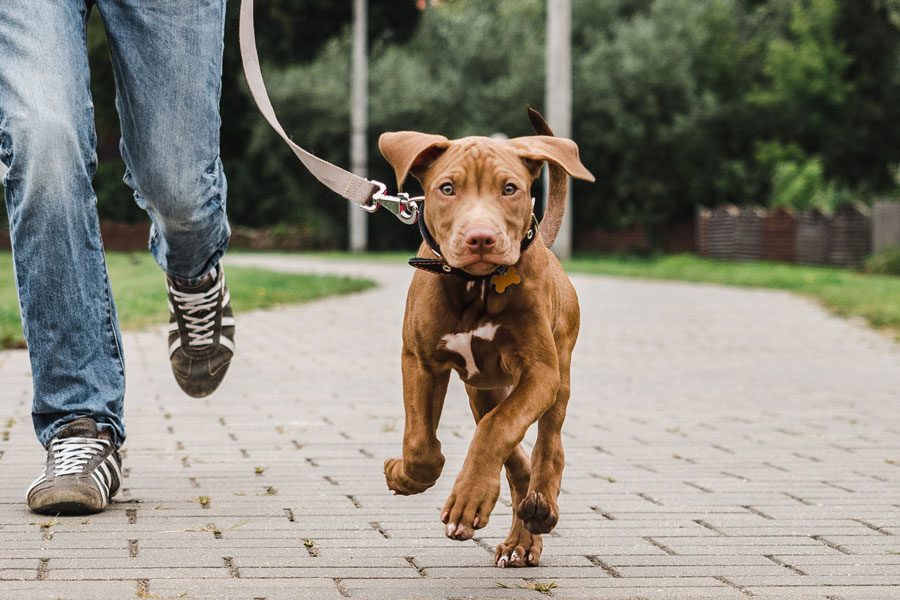
For busy North London dog owners, a midday walk can also be a useful way of breaking up the day.
Rather than your dog spending the whole morning and afternoon waiting for everyone to come home, a professional dog walker can provide exercise, enrichment and some much-needed company in the middle of the day.
Don’t suddenly leave your dog alone for hours
If your dog has spent most of the summer with someone at home, going straight from constant company to a full working day alone can be a big change.
Where possible, start getting your dog comfortable with short periods of alone time before your normal routine begins.
Leave the house for a short period and gradually increase the amount of time you’re away. Keep departures and arrivals calm and low-key.
If your dog struggles with being left alone, don’t simply assume they’ll get used to it. Persistent distress, excessive barking, destructive behaviour or attempts to escape can be signs that they need additional support.
Give your dog something to do
A walk isn’t only about physical exercise. Dogs also benefit from having opportunities to sniff, explore and use their brains.
Before leaving your dog at home, you could provide a suitable enrichment activity, such as a food puzzle or a safe toy they already know and enjoy.
You can also make walks more mentally stimulating by allowing your dog plenty of time to sniff rather than focusing entirely on distance or speed.
For many dogs, a slower, exploratory walk can be just as valuable as simply covering a lot of ground.
Watch for changes in behaviour
Some dogs adjust to a new routine almost immediately. Others may show signs that they’re finding the change difficult.
Keep an eye out for things such as:
- Excessive barking or whining
- Destructive behaviour
- Restlessness
- Increased attention-seeking
- Changes in appetite
- Difficulty settling
- Toileting accidents
- Signs of distress when you prepare to leave
These behaviours don’t necessarily mean your dog is unhappy with their routine, but they can be useful indicators that something needs adjusting.
If you’re concerned about significant separation-related behaviour, it’s worth speaking to your vet or a qualified behaviour professional.
Consider a regular dog walking routine
If you’re returning to work after summer and your dog will be alone for longer periods, arranging a regular dog walk can make a significant difference to their weekday routine.
A consistent midday walk gives your dog a chance to get outside, exercise, sniff and explore before returning home for a rest.
For some dogs, walking with other compatible dogs can also provide valuable socialisation and enrichment. Others may be happier with a solo walk, particularly if they are nervous, elderly or simply prefer their own space.
At Dog Shepherds, we don’t believe that every dog needs exactly the same walk. We consider each dog’s personality, energy level and individual needs when deciding what type of walk is most suitable.
Getting your dog ready for September
The return to work doesn’t have to mean a sudden upheaval for your dog.
Start making small changes now:
- Gradually return to your normal wake-up and meal times.
- Keep walks at consistent times where possible.
- Reintroduce short periods of alone time.
- Provide plenty of mental stimulation as well as physical exercise.
- Pay attention to any changes in your dog’s behaviour.
- Consider arranging a regular dog walker before your new routine begins.
A predictable routine can make September easier for both you and your dog.
Looking for a dog walker in North London?
If you’re returning to work and need some extra help keeping your dog’s routine consistent, Dog Shepherds provides professional dog walking and daycare across North London, including Hampstead, Finchley, Golders Green, Queen’s Park, Primrose Hill and surrounding areas.
Whether your dog needs a regular midday walk or more structured care during the working week, we’d be happy to help you find an arrangement that works for both you and your dog.
Get in touch with Dog Shepherds to find out more about our dog walking services.
Happy dog walking!